
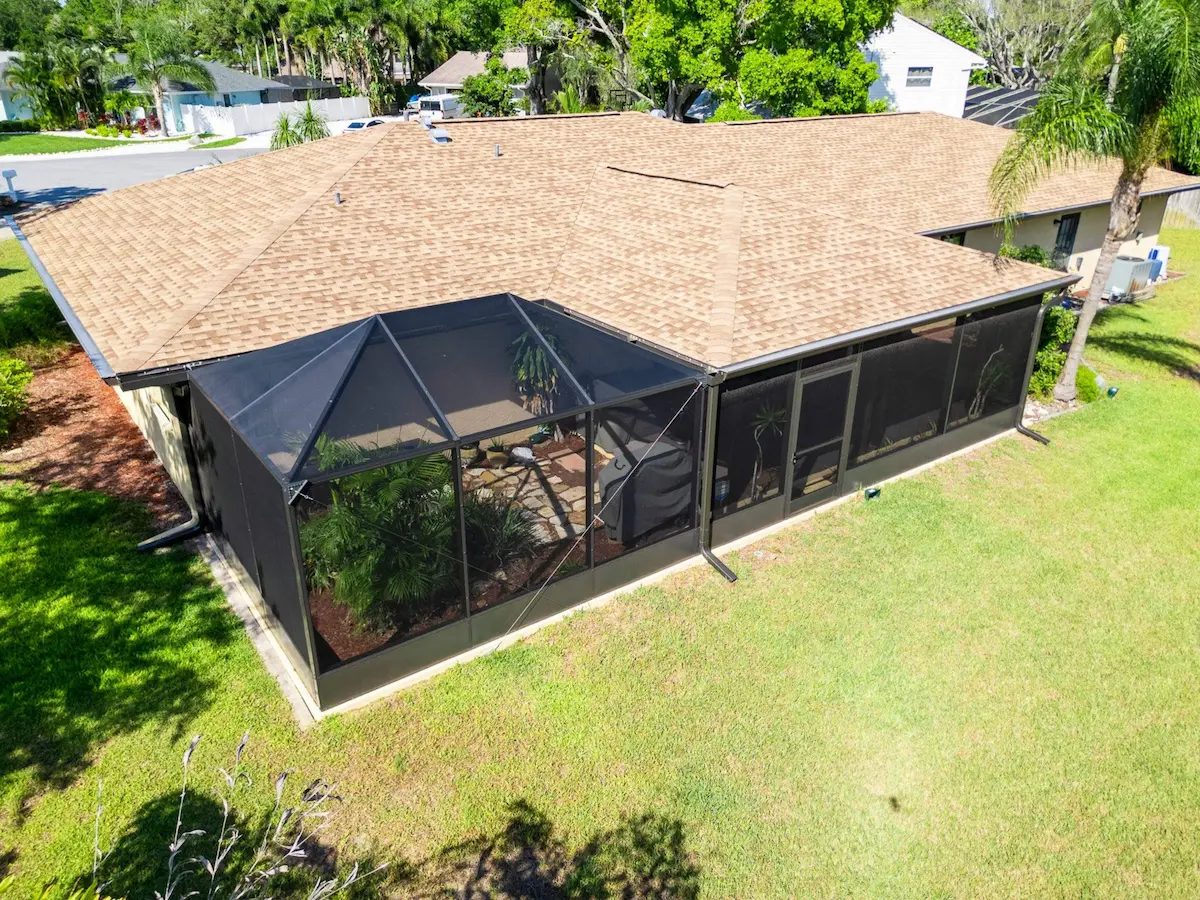
One of the first questions homeowners ask before building or replacing a pool enclosure is, “Do I need a permit?” In most cases, the answer is yes, but the requirements depend on your project and your local municipality.
The good news: homeowners do not have to figure it out alone. A qualified contractor can help prepare documents and keep the process moving.
Do You Need a Permit?
In many cases, yes. New pool enclosure construction and major structural changes require local review because the enclosure is part of the home’s built environment. While Florida follows a statewide building code, permitting is handled by your local building department. Homeowners in Lee, Collier, Charlotte, and surrounding counties may experience different timelines and application requirements.
A routine rescreen may be treated differently than a structural rebuild, roofline change, expansion, or new attachment to the home. Before work begins, your contractor should confirm whether the project requires:
- Permit applications
- Scaled drawings or plans
- Engineering documents
- HOA approval, if applicable
- One or more inspections
Florida Code Requirements
Florida has statewide building code requirements, but the local building department reviews and approves the project. For homeowners, that means the code is statewide, but the process is local.
Florida building codes for a pool cage may involve structural design, wind-load requirements, fastening details, materials, setbacks, and how the enclosure connects to the home or deck. If the enclosure surrounds a residential pool, pool safety rules may also apply.
Florida law requires new residential swimming pools to have at least one approved safety feature before final inspection and a certificate of completion. One option is an enclosure that meets pool barrier requirements, including rules for height, openings, placement, and gate operation.
Inspection Process
Inspections confirm that permitted work matches the approved plans and applicable requirements. Depending on the project, the building department may review attachment points, framing, anchors, fasteners, doors, gates, and final installation.
Permit approval timelines vary by municipality and workload, so your contractor should factor permitting into the overall project schedule. Some projects move quickly, while others take longer because of permit backlogs, weather, HOA timing, or revisions requested during plan review.
Homeowners can help by keeping access clear and responding quickly if the contractor needs signatures, HOA documents, or property information.
Working with Contractors
The right contractor should make enclosure regulations in Florida feel less overwhelming. You want a team that understands local permitting offices, knows what details need to be submitted, and builds with Florida weather in mind.
Before hiring a contractor, ask about:
- Licensing and insurance
- Experience with pool cages and screen enclosures
- Engineering and permitting support
- Local inspection experience
- Whether the estimate includes permit-related work
A low quote can become expensive if plans are incomplete, materials are not appropriate, or inspections fail. Clear communication upfront helps prevent delays later.
Simplify the Permitting Process: Contact Absolute Aluminum Today
Permits and regulations are part of building a pool enclosure correctly in Florida. Absolute Aluminum helps homeowners plan with confidence by reviewing the project scope, explaining the process, and coordinating the details needed for installation.
Contact Absolute Aluminum today to schedule a consultation and start your pool enclosure project with a team that understands Florida codes, permitting, and outdoor living.