
The Hidden Structural Issues Florida Pool Cages Develop Over Time
Quick Takeaways
- Florida’s climate accelerates hidden damage in aluminum pool enclosures long before it’s obvious.
- Small structural issues compound over time, leading to sagging, loosening, or storm failure.
- Strategic retrofitting can resolve these issues by introducing fresh engineering and a modern Absoview design.
Florida pool cages are designed to withstand sun, storms, and daily use—but even well-built enclosures can develop hidden structural problems over time. Because many of these issues aren’t immediately visible, homeowners often don’t realize there’s a problem until damage becomes extensive or safety is compromised. Understanding how and why pool cage structural issues develop is the first step toward protecting your investment and extending the life of your enclosure.
Environmental Wear
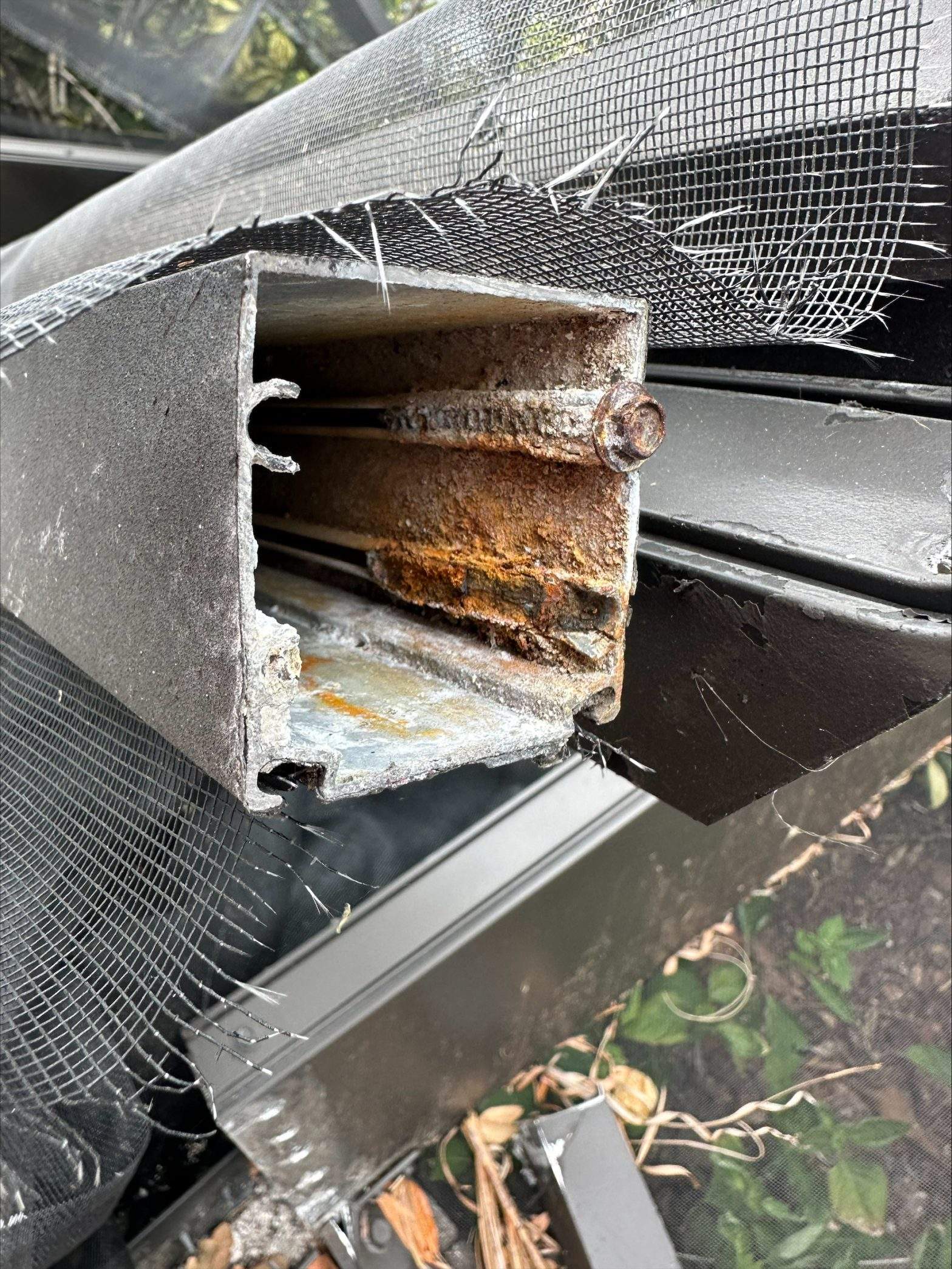
Florida’s environment is one of the toughest in the country for outdoor structures. Constant UV exposure slowly breaks down protective finishes on aluminum, leaving the frame vulnerable to oxidation. In coastal and high-humidity areas, salt and moisture accelerate aluminum cage corrosion, particularly at joints and connection points where water can collect.
Florida is highly susceptible to hurricanes due to its location and long coastline, so heavy rains, wind-driven debris, and temperature fluctuations also play a role. Over time, repeated expansion and contraction weaken the integrity of the structure. While the enclosure may still look intact from a distance, subtle changes like slight warping or uneven tension are often the first signs of pool enclosure damage that Florida homeowners should take seriously.
Frame Fatigue and Fastener Failures
Frame fatigue is often overlooked, but storms and exposure can lead to bowed beams or sagging roof lines. While a retrofit provides a structural “tune-up,” it is not a magic fix for severe damage; if roof beams are already sagging significantly, a full replacement is likely necessary. For viable cages, we recommend replacing all fasteners and rescreening the entire enclosure during a retrofit. This ensures every component ages at the same rate and maintains the tension needed to keep the structure sound.
Retrofit Solutions
The good news is that many aging pool cages don’t require full replacement. However, it is important to understand that a retrofit is more than just a repair. Retrofitting is the specific process of turning at least one wall of your cage into an Absoview (or picture window). This structural transformation removes obstructive vertical posts and introduces fresh engineering and new materials to the existing frame.
During a retrofit, we also perform a total “tune-up” by replacing all fasteners and screens. This extends the life of the cage and provides a “like-new” result with a panoramic view. While on-site, you can also add features like Nebula lights or a pergola; while these are additional services and not technically part of the retrofit itself, they are excellent components to complete your backyard upgrade.
When Replacement is Necessary
While retrofitting is a powerful way to save an enclosure, a cage that has reached a certain age may no longer be a candidate for this process. Once the aluminum reaches a specific point of degradation, it can no longer support the engineering required for a picture window conversion, and a full replacement becomes the safest option.
Schedule a Structural Assessment to Catch Hidden Issues Before Major Damage Occurs
Because many pool enclosure problems develop out of sight, regular professional assessments are critical. A trained eye can identify early signs of frame fatigue, fastener failures, and environmental wear before they escalate into costly repairs or safety hazards.
If you suspect your enclosure may be aging faster than it should, or if it’s been years since a thorough inspection, consider scheduling an evaluation. The team at Absolute Aluminum specializes in identifying hidden pool cage structural issues and recommending smart retrofit solutions that extend the life of your enclosure. To take the next step, contact us to schedule a structural assessment today.